


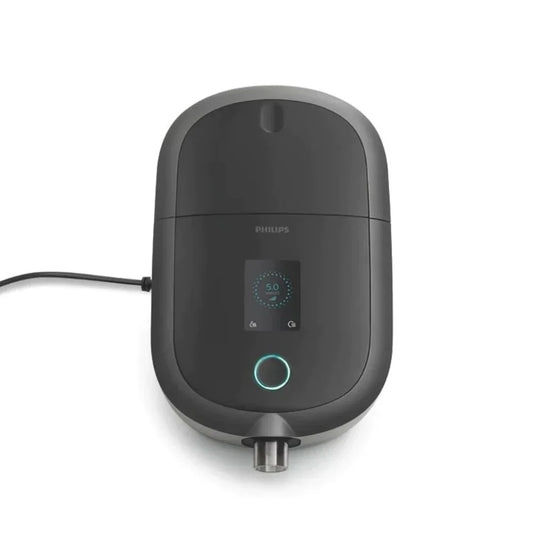
Why regularly replacing CPAP filters is more important than you think
La boîte turquoise

When we talk about CPAP maintenance, we often think of the mask, tubing, or water reservoir. However, the CPAP filter plays a much more important role than we might think. Small, discreet, and sometimes forgotten for months, it helps protect the device, maintain good airflow, and limit the entry of dust, pollen, and other particles into the system.
For someone living with sleep apnea, a neglected filter can quickly become a source of discomfort: less fresh air, irritation, increased allergies, unusual noise, or reduced device performance. In some cases, a dirty or clogged filter can also force the device to work harder.
😃 The good news: replacing your CPAP filters is simple, inexpensive, and very effective for maintaining comfortable therapy. Here's what you need to know to choose, inspect, and replace your filters at the right time.
What is a CPAP filter for?
The CPAP filter is placed at the air intake of the device. Before the air is pressurized and then sent to the tubing and mask, it passes through this small filter. Its role is to retain certain particles present in the ambient air, such as:
■ dust
■ pollen
■ pet hair and dander
■ fine particles
■ residue or debris present in the room
A clean filter therefore helps maintain the quality of the air drawn in by the device. It also helps protect the internal components of the CPAP, including the motor and air intake.
The filter does not transform your CPAP device into a complete medical air purifier. Nor does it replace allergy treatment. But in a well-maintained CPAP routine, it plays a concrete and useful role.
Why can a dirty CPAP filter harm your treatment?
A dirty, damaged, or too old filter can become less effective. As it accumulates dust and particles, it can reduce airflow to the device or allow irritants to pass through that the filter would normally help retain.
This can result in:
■ a less pleasant air sensation
■ nose or throat irritation
■ increased allergy symptoms
■ an unpleasant odor in the equipment
■ a device that seems to work harder
■ an error message or warning on some models
It should not be automatically concluded that a dirty filter is the cause of a medical symptom. However, it is clearly one of the basic checks when CPAP therapy becomes less comfortable.

When to replace a CPAP filter?
The short answer: follow your device's manual and replace the filter as soon as it is dirty, damaged, discolored, or clogged.
Frequency varies depending on:
■ your CPAP device model
■ the type of filter used
■ the presence of pets at home
■ dust in the bedroom
■ allergy season
■ smoke, work, or surrounding pollution.
Generally, several standard filters are replaced every 3 to 6 months, while hypoallergenic or ultra-fine filters may require more frequent replacement, often around one month depending on the manufacturer or product.
At CPAP-Experts, you can consult the CPAP filters collection to find filters compatible with your device.

What is the difference between a standard CPAP filter and a hypoallergenic filter?
Standard filters are designed to retain common particles, such as dust and some pollens. They are suitable for many users in a clean and well-maintained sleep environment.
Hypoallergenic filters, sometimes called ultra-fine filters depending on the brand, aim for finer filtration. They can be particularly useful if you are more sensitive to certain irritants in the air.
They can be beneficial if you live with:
■ seasonal allergies
■ pets
■ frequent dust in the bedroom
■ sensitivity to smoke or fine particles
■ more frequent nasal congestion
⚠️ Important: A hypoallergenic filter is not a medical treatment for allergies. If your symptoms are persistent, it is best to consult a healthcare professional. But for many users, it can be part of a very relevant comfort strategy.
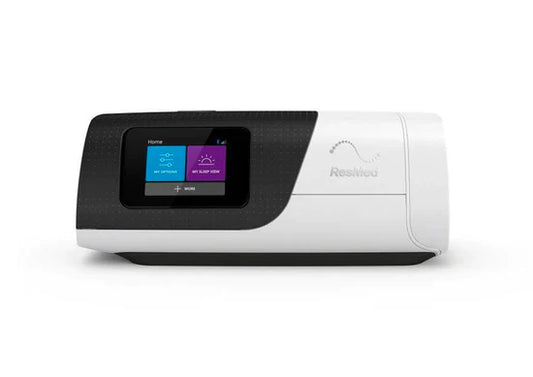
What filters should I choose for a ResMed AirSense 10 or AirSense 11 device?
ResMed AirSense devices are among the popular models for CPAP users. To avoid compatibility errors, you must choose the filter designed for your exact model.
For an AirSense 10, you can consult the ResMed AirSense filters available at CPAP-Experts. This page offers standard and hypoallergenic options.
For an AirSense 11, you should instead consult the ResMed AirSense 11 filters. Even if both devices are from the same brand, the filters are not always interchangeable. Model compatibility must therefore be checked before purchase.
According to ResMed, filters should be checked regularly and replaced when necessary. General guidelines recommend replacing the filter at least every six months for certain models, or sooner if it is dirty, damaged, or clogged. CPAP-Experts also recommends, for certain products, more frequent replacement of hypoallergenic filters.
What filters to choose for a DreamStation or a DreamStation 2?
Philips Respironics devices generally use a different filtration system depending on the model. Some DreamStation devices use a reusable pollen filter and a disposable ultra-fine filter, depending on the configuration.
At CPAP-Experts, you can consult the Philips Respironics DreamStation filters, available in standard and hypoallergenic versions.
⚠️ An important rule: do not wash a disposable filter. Ultra-fine or hypoallergenic filters should be replaced according to the manufacturer's recommendations or as soon as they are dirty, stained, or damaged.
If you use a DreamStation 2 device, always refer to your device's specific manual, as filter systems can vary from one generation to another.
What filters to use with a travel CPAP like the Breas Z2 Auto?
Travel devices often have smaller filters, but they are just as essential. The compact size does not mean that maintenance is less important.
For the Breas Z2 Auto, CPAP-Experts offers the Z2 polyester filters. The manufacturer indicates that the Z2 filter should be inspected regularly and replaced according to the instructions in the user guide. The guide also specifies that the Z2 filter is not washable or reusable.
💡 Tip: If you travel frequently, remember to keep a few spare filters in your CPAP bag. It's a small accessory that takes up little space, but can prevent a lot of irritants in a hotel room, a cabin, an RV, or a dustier environment.
How do I know if my CPAP filter needs to be replaced?
A CPAP filter should not only be replaced according to the schedule. Its appearance matters a lot.
Replace it if you observe:
■ discoloration
■ visible dust
■ stains
■ unusual odor
■ crumpled, torn, or deformed filter
■ feeling that the device is straining or becoming noisier
■ filter or air intake related message on the device.
A filter should also be replaced more often if your room is dusty, if you have pets, if you sleep near an open window, or if you are going through an intense period of seasonal allergies.
💻 Also read on our blog: Mistakes that reduce the lifespan of your CPAP mask
Can a CPAP filter be washed?
No CPAP machine filter should be washed. Instead, you should shake it once a week to remove dust.
Filters, whether disposable, hypoallergenic, or ultra-thin, generally do not need to be washed. They are designed to be replaced.
⚠️ Caution: Installing a damp filter can impair proper device function and promote moisture where it shouldn't be.
For general maintenance steps for your equipment, also consult How to properly clean your CPAP machine.
Can CPAP filters help with allergies?
They can help reduce exposure to certain particles present in the air drawn in by the device, but they do not replace a diagnosis or treatment for allergies.
If you have symptoms such as a stuffy nose, sneezing, irritated eyes, or a dry throat with your CPAP, several factors may be involved:
■ dirty filter
■ insufficient humidification
■ ill-fitting mask
■ air leak
■ seasonal congestion
■ insufficient tubing or reservoir maintenance
In this context, hypoallergenic filters can be an interesting choice, especially during allergy season or in the presence of animals.
💻 You can also consult the article CPAP and colds or seasonal allergies: what to do? for additional advice.
How to replace a CPAP filter correctly?
The exact steps vary depending on the device, but the general logic is simple:
■ turn off and unplug the device
■ locate the filter compartment
■ remove the old filter
■ check for visible dust around the air intake
■ install the new filter in the correct direction
■ close the compartment
■ restart the device normally.
⚠️ Caution: Avoid using a cut, ill-fitting, or incompatible filter. Even if it seems "to do the job", a wrong filter can impair airflow or device protection.
Why order CPAP filters in advance?
Filters are easy to forget because they are small, not very visible, and rarely at the center of discussions about sleep apnea. However, not having them on hand can lead you to extend the use of a dirty filter for far too long.
Ordering a few filters in advance allows you to:
■ more easily follow your maintenance routine
■ avoid forgetting
■ better manage allergy periods
■ have a clean filter when traveling
■ protect your device in the long term.
It is one of the simplest purchases to integrate into a CPAP routine.
What CPAP-Experts products can help you better maintain your device?
CPAP-Experts offers several useful products for CPAP maintenance and comfort, including:
■ ResMed AirSense 10 and AirMini filters
■ Philips Respironics DreamStation filters
■ cleaning accessories, masks, tubing, and replacement parts available in the CPAP-Experts store

You can also explore other practical tips on the CPAP-Experts blog, including articles on maintenance errors, seasonal allergies, and common CPAP device errors.
💻 Also read: What are the most common mistakes with a CPAP machine and how to avoid them?
In summary: how often should you change your CPAP filter?
The best practice is to follow your device manufacturer's recommendations and inspect your filters regularly.
Regular filters should be changed every 3 to 6 months, and hypoallergenic filters should be replaced monthly.
Remember this above all:
■ a dirty, discolored, or damaged filter must be replaced
■ filters should not be washed
■ hypoallergenic filters may need to be replaced more often
■ allergy sufferers, pet owners, and travelers should check their filters more frequently
■ a compatible filter better protects the device and contributes to more pleasant air
Replacing your CPAP filters is not a minor detail. It's a small habit that can have a big impact on the comfort, maintenance, and regularity of your therapy.

Need CPAP filters compatible with your device?
Discover the CPAP filter collection available at CPAP-Experts and choose the right filters for your device.
To find other products for your sleep apnea therapy, visit the CPAP-Experts store. Good maintenance often starts with the small parts we tend to forget the most.
Do you have any questions?
Contact our team; we will be happy to guide you.