


The implications of sleep apnea on workplace safety
La boîte turquoise

Why screening and CPAP treatment are essential
Untreated sleep apnea not only affects quality of life, but it can also directly compromise safety at work and on the road. Excessive fatigue, decreased alertness, slowed reflexes, cognitive impairment—the impacts are well-documented in medical literature. For professions requiring sustained attention—professional drivers, machinery operators, night shift workers, security personnel—the risks are amplified.
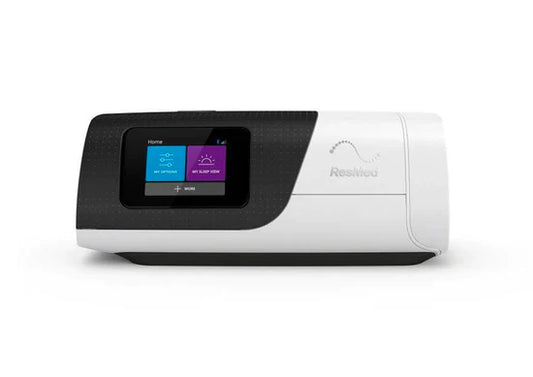
In this article, we examine the links between sleep apnea and safety, as well as the importance of early screening, appropriate treatment (including the use of a CPAP device ), and rigorous maintenance of the mask and accessories .

How does sleep apnea affect alertness at work?
Sleep apnea causes repeated micro-awakenings, disrupting the normal structure of deep and REM sleep. As a result:
- Persistent daytime sleepiness
- Difficulty maintaining attention
- Reduced reaction time
- Short-term memory deficits
- Irritability and decreased emotional control
According to several studies, a person with untreated sleep apnea may be up to three times more likely to be involved in a workplace accident .
For environments where vigilance is non-negotiable (transport, industry, construction, healthcare, public safety), fragmented sleep can quickly become an operational risk.
To better understand sleep apnea , also see our article:
💻 Understanding sleep apnea: causes, symptoms and risks
Which workers are most at risk from sleep apnea?
Many professions require constant attention and the ability to react quickly. Undiagnosed sleep apnea can directly compromise this performance. Among the sectors most at risk are:
1. Professional drivers
Trucking, buses, taxis, delivery… Drowsiness at the wheel is one of the most serious dangers associated with sleep apnea.
2. Heavy machinery operators
A moment of inattention can lead to serious accidents — injuries, production stoppages, significant material damage.
3. Night shift workers and rotating shifts
Their circadian rhythm is already compromised. Adding untreated sleep apnea significantly increases cumulative fatigue.
4. Monitoring and control personnel
In aeronautics, machining, handling or control rooms, a lack of vigilance can lead to critical errors.
To reduce these risks, rapid diagnosis and treatment with CPAP remain the most effective solutions.

Why does sleep apnea increase the risks on the road for everyone, not just workers?
Fatigue while driving is a major public health issue. Even among non-professional drivers, untreated sleep apnea can cause:
- Slowing of reflexes
- Decreased ability to anticipate
- Micro-sleeps lasting a few seconds
- Poor distance perception
Micro-sleeps are particularly dangerous: at 100 km/h, a 3-second loss of attention is equivalent to nearly 85 meters traveled without control .
CPAP treatment quickly corrects this excessive sleepiness. Several studies show that treated individuals see their risk of road accidents return to a level comparable to that of the general population.

Why is rapid screening essential?
Sleep apnea can go undetected for years. Many workers attribute their fatigue to a busy schedule, stress, or atypical hours. However, early detection allows for:
- To avoid incidents at work
- To improve cognitive function
- To increase productivity
- To reduce absenteeism
- To promote a better overall quality of life
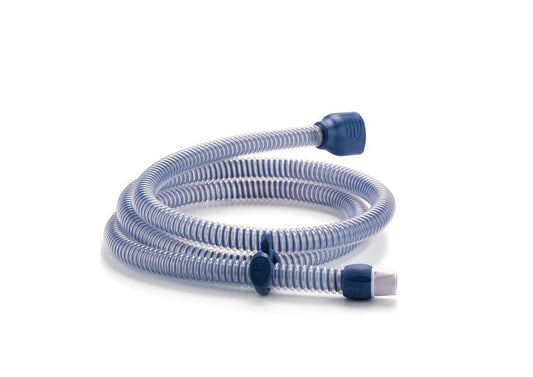
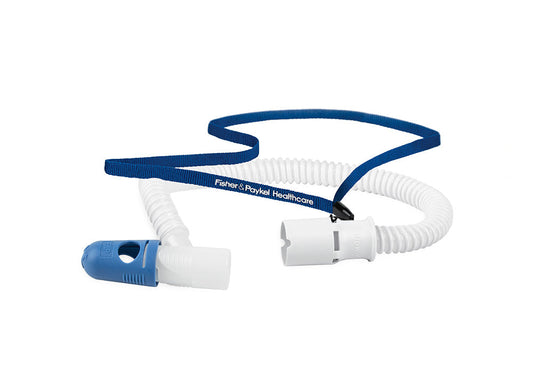
A diagnosis then allows for personalized CPAP treatment, including the choice of a suitable CPAP mask , tubing , and humidifier .
How does CPAP therapy improve workplace safety?
CPAP therapy stabilizes breathing, eliminates apneas, and restores deep, restorative sleep. In just a few nights, many people report:
- Less drowsiness
- Increased vigilance
- A more stable memory
- A more stable mood
- Better overall daily performance
A comfortable and well-fitting mask is essential for the success of the treatment:
➡️ CPAP masks: https://cpap-experts.ca/collections
➡️ How do I know if my CPAP mask is too old or needs to be replaced?

What are the risks if CPAP equipment is not properly maintained?
A poorly maintained mask or tubing can lead to:
- An accumulation of bacteria
- Skin irritations or infections
- A reduction in the effectiveness of the treatment
- Air leaks reducing therapeutic pressure
- A decrease in comfort that can discourage adherence to treatment
A good conversation is an integral part of therapy. For practical advice:
➡️ CPAP accessory maintenance and cleaning: common mistakes to avoid
What measures can be implemented in a company?
Workplaces can contribute to employee safety and health by:
- Raising awareness of the signs of sleep apnea
- Encouraging screening
- Promoting access to healthcare
- Adjusting schedules for diagnosed employees
- Providing information on treatment options
A better-rested employee means a safer, more productive, and more humane work environment. 💚

Conclusion: Safety, performance, and quality of life depend on restorative sleep.
Untreated sleep apnea is a real safety issue, both at work and on the road. Screening and CPAP treatment are not just about reducing symptoms: they directly contribute to preventing accidents, protecting health, improving alertness, and enhancing safety in all environments.
Do you have any questions?
Consult our Frequently Asked Questions or contact us without delay.