


Sleep apnea in seniors: what are the specific challenges and how can CPAP improve comfort?
La boîte turquoise

Sleep apnea doesn't just affect active adults or overweight individuals; it's also very common among seniors. With aging, several physiological changes can increase the risk of obstructive sleep apnea, sometimes without immediate recognition of symptoms.
For seniors, poor sleep quality can have major impacts on:
■ memory
■ daily energy
■ balance
■ cardiovascular health
■ risk of falls
Fortunately, CPAP therapy remains one of the most effective treatments, provided it is well-adapted to age-specific needs.
Why is sleep apnea more common in seniors?
With age, several factors can contribute to the onset or worsening of sleep apnea:
■ muscle relaxation in the airways
■ decreased pharyngeal tone
■ use of certain medications (sedatives, sleeping pills)
■ cardiovascular or neurological conditions
■ changes in sleep cycles
Result: respiratory interruptions can become more frequent, even in individuals who had never shown symptoms before.
👉 Also read: The most common myths about sleep apnea and CPAP devices
What are the signs of sleep apnea in seniors?
Contrary to popular belief, symptoms are not always limited to snoring. Particularly in older adults, we often observe:
■ persistent fatigue
■ frequent awakenings
■ daytime sleepiness
■ concentration problems
■ irritability
■ morning headaches
■ memory loss
■ worsening hypertension
In some cases, sleep apnea can be mistaken for normal signs of aging. This is why it's important to consult a professional if you have questions about your sleep.
Why is treating sleep apnea particularly important after age 60?
In seniors, untreated apnea can contribute to:
■ cardiovascular diseases
■ atrial fibrillation
■ stroke
■ cognitive decline
■ diabetes
■ depression
■ increased risk of nocturnal falls
Effective treatment can improve not only sleep, but also overall quality of life.
👉 Also read: What are the best products for treating sleep apnea?

Is CPAP well-suited for seniors?
Yes — and often very beneficial.
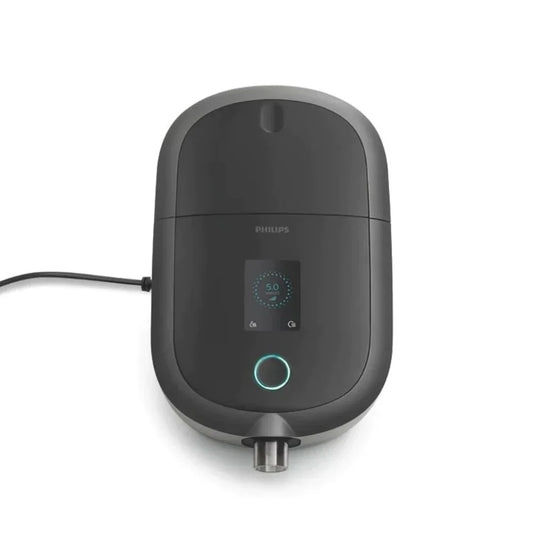
Modern devices offer:
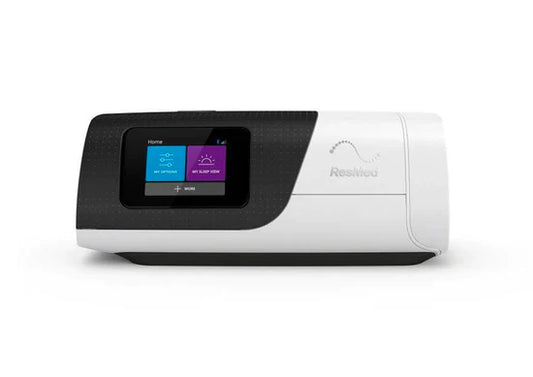
■ auto-adjusting pressure
■ quiet operation
■ heated humidification
■ simplified screens
■ easy maintenance
The latest models are much more accessible than before, even for users with arthritis, vision problems, or reduced mobility.
What challenges do seniors face with a CPAP machine?
1. Equipment handling
Some older adults may have more difficulty with:
■ straps
■ cleaning
■ small components
■ settings
Solution:
✅ Choose a device with a simple interface and ergonomic accessories.
2. Dry mouth or irritation
Mucous membranes can be more sensitive with age.
Solution:
✅ Use an integrated humidifier
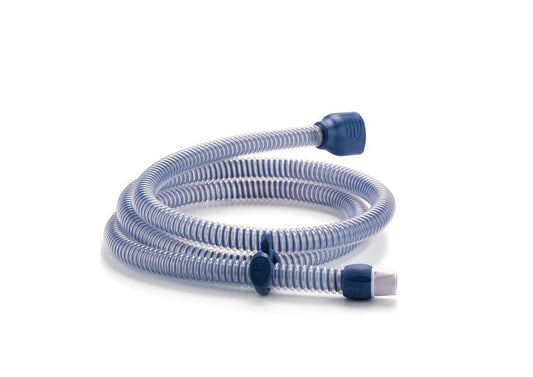
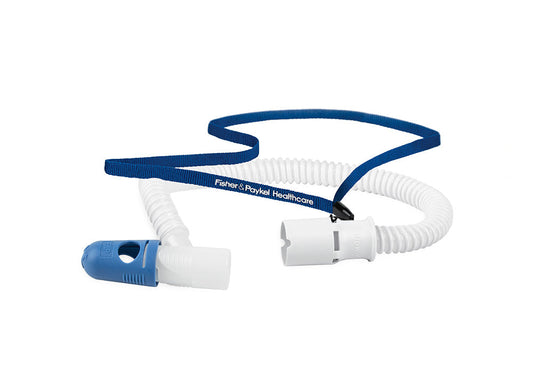
✅ Add a hose cover or a chinstrap
3. Mask tolerance
Mature skin can be more fragile.
Solution:
✅ Opt for lightweight masks
✅ Use protective cushions
✅ Regularly check the fit
How to facilitate CPAP adaptation for an elderly person?
Practical tips:
🟢 Go gradually
■ Wear the mask for a few minutes during the day
■ Get familiar with it before a full night's use
🟢 Simplify the routine
■ Set aside a dedicated space
■ Use simple cleaning products
🟢 Involve family and friends
■ Family support
■ Equipment check
■ Encouragement
🟢 Get professional support
■ Personalized adjustment
■ Technical support
■ Quick responses to discomforts
Don't hesitate to contact the CPAP-Experts team for support or answers to your questions.
👉 Also read: Little-known CPAP accessories that can truly improve your comfort
Can CPAP treatment be started at an advanced age?
Yes, without any problem. It's never too late to improve:
■ your energy
■ your alertness
■ your cardiovascular health
■ your sleep quality
Many users start their CPAP therapy after age 65 or 70 with excellent results.

Aging well also means better sleep
Sleep plays a fundamental role in the health, autonomy, and quality of life of seniors. At CPAP Experts, we offer:
■ modern CPAP devices
■ adapted masks
■ comfort accessories
■ personalized advice
💚 Because restorative sleep remains essential at any age.
👉 Discover our complete online selection.